AsyutWiki Home

Category

Religion & Culture

7 articles

Dust, Dedication, and Discovery: The People Racing to Save Asyut's Ancient Monuments

Behind every excavated tomb and stabilized wall painting in Asyut stands a network of archaeologists, conservators, and local specialists working against formidable odds. With limited budgets, rising groundwater, and persistent looting pressures, these professionals are engaged in a quiet but urgent battle to preserve one of Egypt's most significant archaeological landscapes. Their work is reshaping what scholars understand about the Middle Kingdom — and what future generations will be able to s
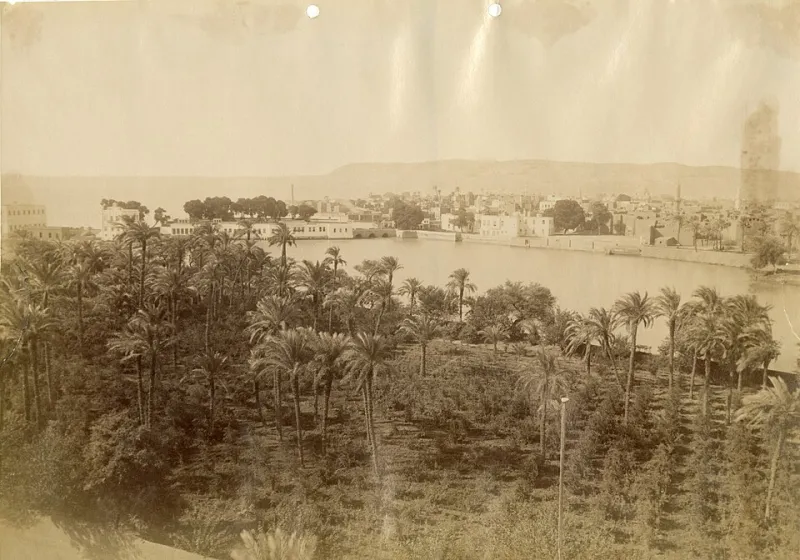
Beneath the Cliffs of Upper Egypt: What Asyut's Ancient Necropolis Reveals About Middle Kingdom Society

Carved into the limestone bluffs overlooking the Nile Valley, Asyut's ancient necropolis holds some of the most revealing tombs from Egypt's Middle Kingdom period — a trove of inscriptions, artifacts, and funerary art that historians are only beginning to fully appreciate. Far removed from the celebrated pyramids of Giza, this sprawling burial ground offers an intimate portrait of provincial Egyptian life that no royal monument can match. Recent excavations are now forcing scholars to reconsider

Wired and Determined: How Asyut's Youth Are Building New Futures in Upper Egypt

A new generation of young people in Asyut is challenging long-standing assumptions about opportunity in Upper Egypt, using digital tools, grassroots education initiatives, and entrepreneurial ambition to carve out paths that their parents could scarcely have imagined. Their efforts reflect both the remarkable potential and the persistent structural obstacles facing Egypt's most populous interior governorate. What is emerging from Asyut's youth movements offers a compelling window into the broade

A Table by the Nile: The Distinctive Culinary Traditions of Asyut and Upper Egypt

Asyut's cuisine is a living record of the region's geography, agricultural rhythms, and cultural history, shaped by the Nile's seasonal floods, desert trade routes, and centuries of Coptic and Islamic culinary exchange. Far from the internationally recognized dishes of Cairo or Alexandria, Asyuti food reflects the particular character of Upper Egypt—robust, ingredient-driven, and deeply connected to the land. For American readers curious about global food cultures, the flavors of Asyut offer an

A Region Under Scrutiny: Asyut, Political Violence, and the Long Road Toward Stability in Modern Egypt

A Region Under Scrutiny: Asyut, Political Violence, and the Long Road Toward Stability in Modern Egypt

Throughout the final decades of the twentieth century, Asyut became a focal point in Egypt's turbulent confrontation with political violence and sectarian tension, drawing international attention and shaping national policy in ways that continue to reverberate today. This article examines the historical forces that made Asyut central to debates about security and identity in modern Egypt, placing those events in context for American readers seeking to understand the region's complex recent past.

Words from the Ancient World: What Asyut's Remarkable Papyrus Discoveries Tell Us About Everyday Egyptian Life

Words from the Ancient World: What Asyut's Remarkable Papyrus Discoveries Tell Us About Everyday Egyptian Life

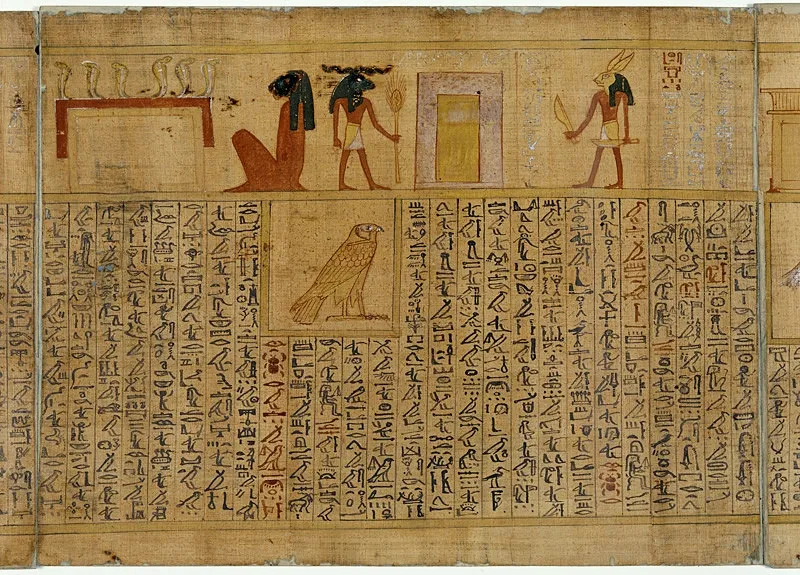
Among the most significant — and least publicized — archaeological achievements of the past two centuries is the recovery of thousands of ancient texts from the Asyut region of Upper Egypt. These manuscripts, ranging from legal contracts and personal letters to religious hymns and medical prescriptions, constitute a window into ancient Egyptian society that no tomb painting or temple inscription can fully replicate. What they reveal about how ordinary people lived, worshipped, argued, and loved

Asyut's Sacred Landscape: A Two-Thousand-Year Journey Through Coptic Christianity's Beating Heart

Few cities on Earth carry the theological weight of Asyut, Egypt — a place where Coptic Christianity has not merely survived but flourished across two millennia. From ancient cave monasteries carved into limestone cliffs to vibrant parish churches still drawing thousands of faithful worshippers, Asyut stands as one of the most consequential yet underappreciated centers of early Christian civilization. American scholars and pilgrims are beginning to take notice, and what they find often surpasses